


Bake the Perfect Cake: Tips and Tricks You Need

Baking a cake can seem daunting, but with the right tips and tricks, anyone can create a delicious masterpiece. Whether you're preparing for a birthday, an anniversary, or just a sweet treat for yourself, understanding the fundamentals of cake baking will elevate your skills. This guide will walk you through essential techniques, ingredients, and methods to ensure your cake turns out perfectly every time.

Understanding Cake Types
Before you start baking, it's crucial to understand the different types of cakes. Each type has its unique texture, flavor, and preparation method. Here are some popular cake types:
Butter Cakes
Butter cakes are rich and moist, made with butter, sugar, eggs, and flour. They are versatile and can be flavored with vanilla, chocolate, or fruit. Common examples include:
Pound Cake: Made with equal parts of butter, sugar, eggs, and flour.
Yellow Cake: A classic cake often used for birthday celebrations.
Sponge Cakes
Sponge cakes are light and airy, made by whipping eggs and sugar together before folding in flour. They are perfect for layered cakes and can be soaked with syrups for added flavor. Examples include:
Genoise: A traditional Italian sponge cake.
Angel Food Cake: Made with egg whites, resulting in a fluffy texture.
Foam Cakes
Foam cakes rely on whipped egg whites for their structure. They are typically lighter than butter cakes and are often used in desserts like trifles. A well-known example is:
Chiffon Cake: A hybrid of butter and sponge cake, known for its moistness.
Essential Baking Ingredients
The quality of your ingredients can significantly affect the outcome of your cake. Here are some essential ingredients to consider:
Flour
The type of flour you use can impact the texture of your cake. All-purpose flour is commonly used, but cake flour, which has a lower protein content, can produce a lighter cake.
Sugar
Sugar not only sweetens your cake but also contributes to its texture. Granulated sugar is standard, but brown sugar adds moisture and a hint of caramel flavor.
Eggs
Eggs provide structure and moisture. They also help with leavening. Always use fresh eggs for the best results.
Butter
Butter adds flavor and richness. For the best texture, use unsalted butter to control the salt content in your recipe.
Baking Powder and Baking Soda
These leavening agents help your cake rise. Baking powder is used for recipes that require additional lift, while baking soda is often used in recipes with acidic ingredients.
Tools You Need
Having the right tools can make the baking process smoother. Here are some essential tools for cake baking:
Mixing Bowls: A set of mixing bowls in various sizes is essential for combining ingredients.
Measuring Cups and Spoons: Accurate measurements are crucial for baking success.
Electric Mixer: A stand or hand mixer can save time and effort when mixing batter.
Cake Pans: Use the appropriate size and shape for your cake. Round pans are common for layered cakes, while square pans are great for sheet cakes.
Cooling Rack: Allowing your cake to cool properly prevents sogginess.
Preparing Your Cake
Now that you have your ingredients and tools ready, it's time to prepare your cake. Follow these steps for the best results:
Preheat Your Oven
Always preheat your oven to the temperature specified in your recipe. This ensures even baking and helps your cake rise properly.
Prepare Your Pans
Grease your cake pans with butter or cooking spray and line the bottoms with parchment paper. This prevents sticking and makes it easier to remove the cake once baked.
Measure Ingredients Accurately
Baking is a science, so precise measurements are crucial. Use a kitchen scale for dry ingredients and liquid measuring cups for wet ingredients.
Mix Ingredients in the Right Order
Start by creaming the butter and sugar together until light and fluffy. Then, add eggs one at a time, mixing well after each addition. Finally, alternate adding dry ingredients and liquids to prevent overmixing.
Avoid Overmixing
Overmixing can lead to a dense cake. Mix just until the ingredients are combined, and you see no dry flour.
Baking Your Cake
Once your batter is ready, it's time to bake. Here are some tips to ensure your cake bakes evenly:
Use the Right Oven Rack
Position your cake pans in the center of the oven for even heat distribution. Avoid placing them too close to the top or bottom.
Check for Doneness
Use a toothpick or cake tester to check if your cake is done. Insert it into the center; if it comes out clean or with a few crumbs, your cake is ready.
Cool Your Cake Properly
Let your cake cool in the pan for about 10 minutes before transferring it to a cooling rack. This prevents it from becoming soggy.
Decorating Your Cake
Once your cake is completely cool, it's time to decorate. Here are some ideas to make your cake visually appealing:
Frosting Options
Choose a frosting that complements your cake type. Here are some popular options:
Buttercream: Rich and creamy, perfect for spreading and piping.
Cream Cheese Frosting: Tangy and delicious, great for carrot or red velvet cakes.
Ganache: A luxurious chocolate glaze that adds shine and richness.
Decorating Techniques
Simple Spread: Use a spatula to spread frosting evenly over the top and sides.
Piping: Use a piping bag to create decorative borders or rosettes.
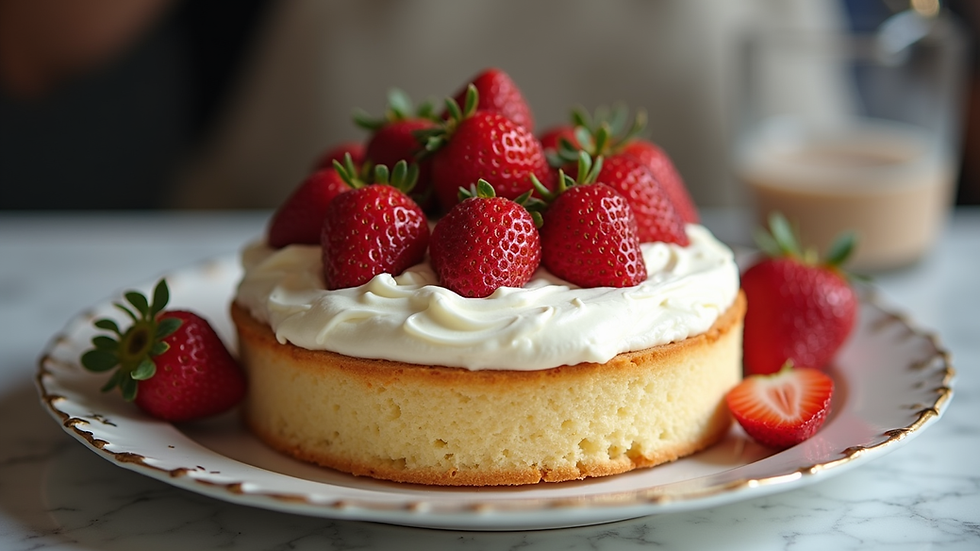
Toppings: Add fresh fruits, nuts, or chocolate shavings for an extra touch.
Common Cake Baking Mistakes
Even experienced bakers can make mistakes. Here are some common pitfalls to avoid:
Not Preheating the Oven
Failing to preheat can lead to uneven baking. Always ensure your oven is at the right temperature before placing your cake inside.
Opening the Oven Door Too Soon
Opening the oven door before your cake has set can cause it to collapse. Wait until the minimum baking time has passed before checking.
Using Cold Ingredients
Using cold eggs or butter can affect the batter's consistency. Allow your ingredients to come to room temperature before mixing.
Conclusion
Baking the perfect cake is a rewarding experience that combines science and creativity. By understanding the different types of cakes, using quality ingredients, and following proper techniques, you can create a delicious cake that impresses everyone. Remember, practice makes perfect, so don't be afraid to experiment with flavors and decorations. Happy baking!

Comments